realized 2025
with:
Julia Faraone Françoso Froner
Mariana Lahoz
Luciana Lima
holzhütte
© Benjamin Rieser. All rights reserved.
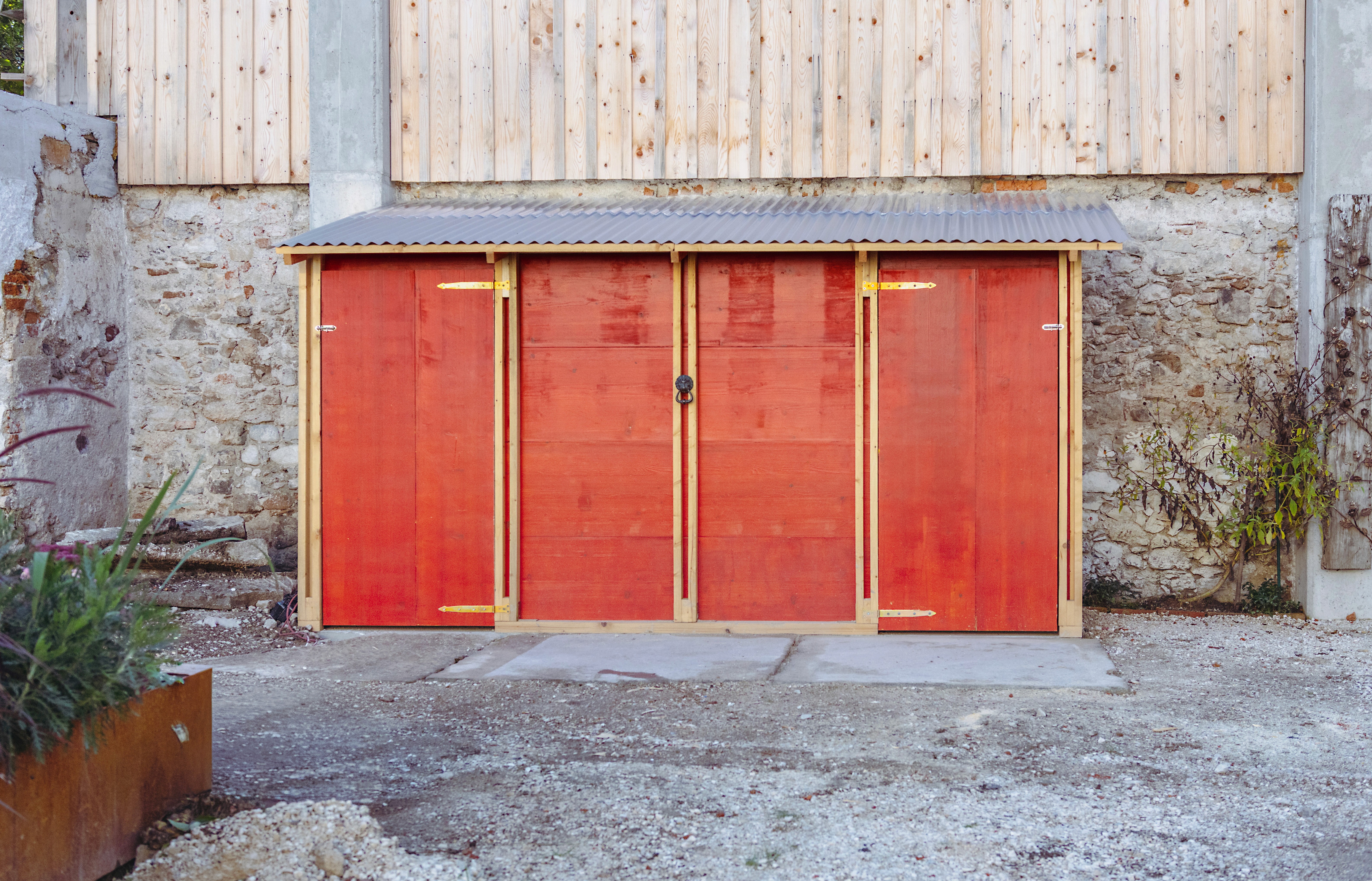
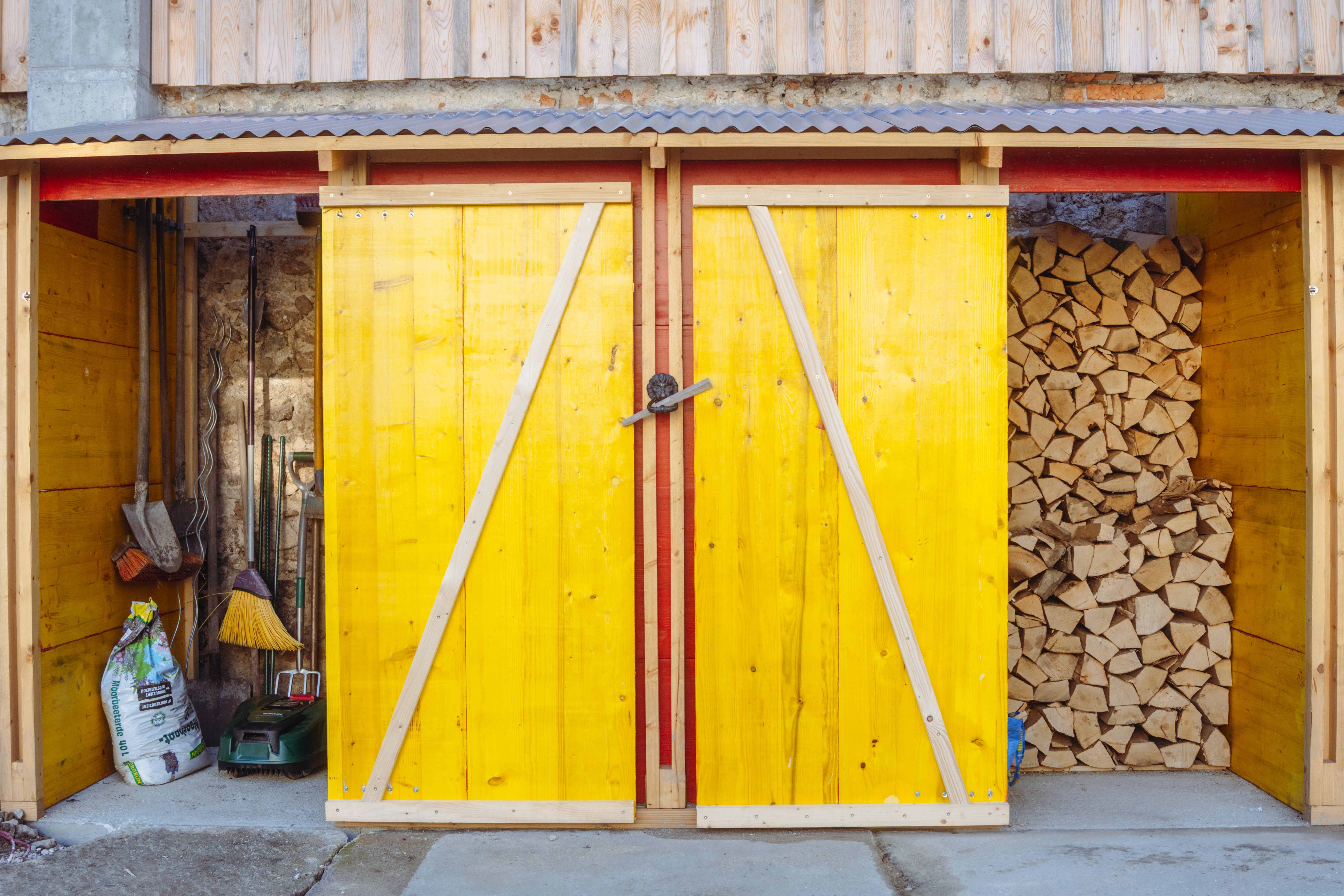
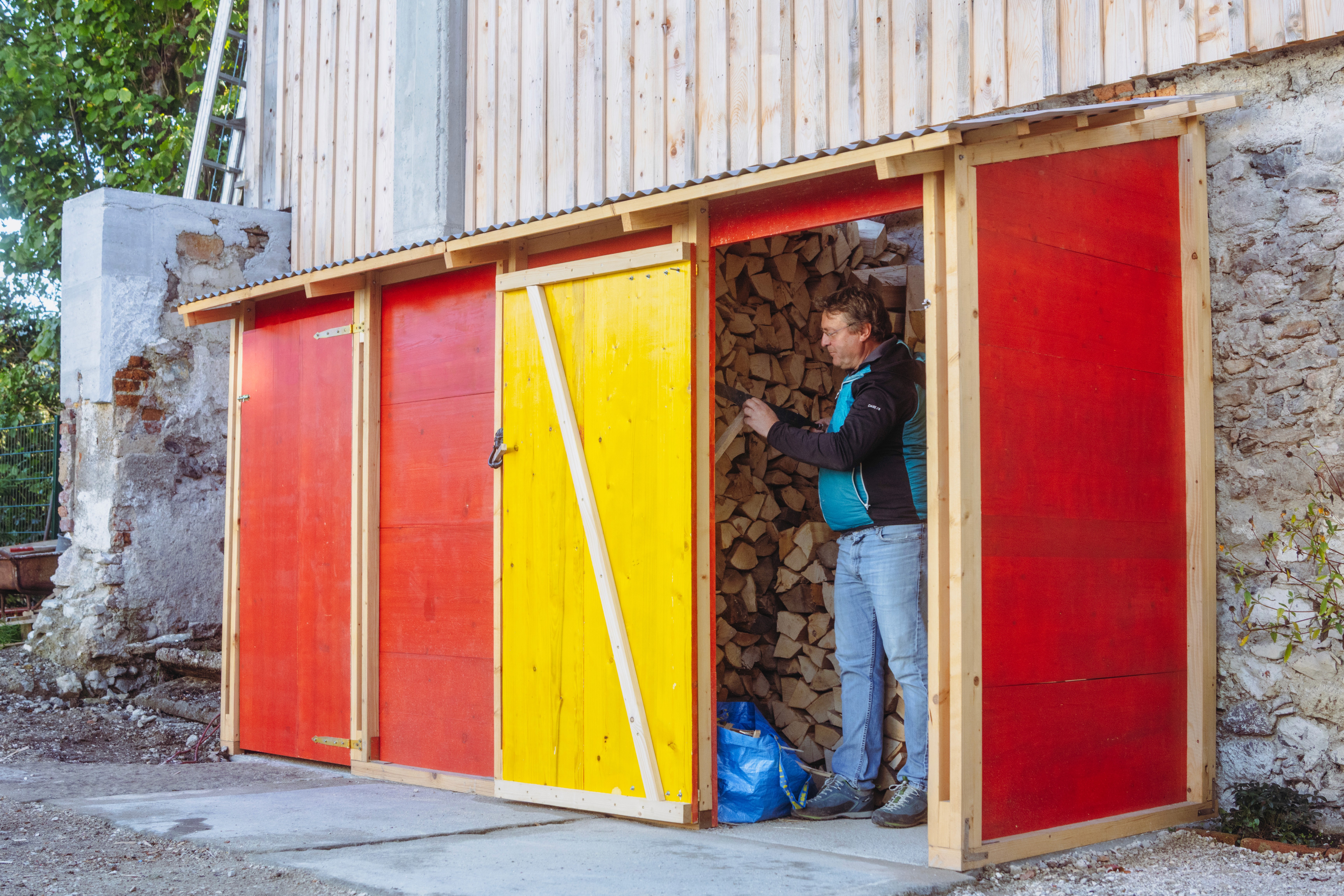
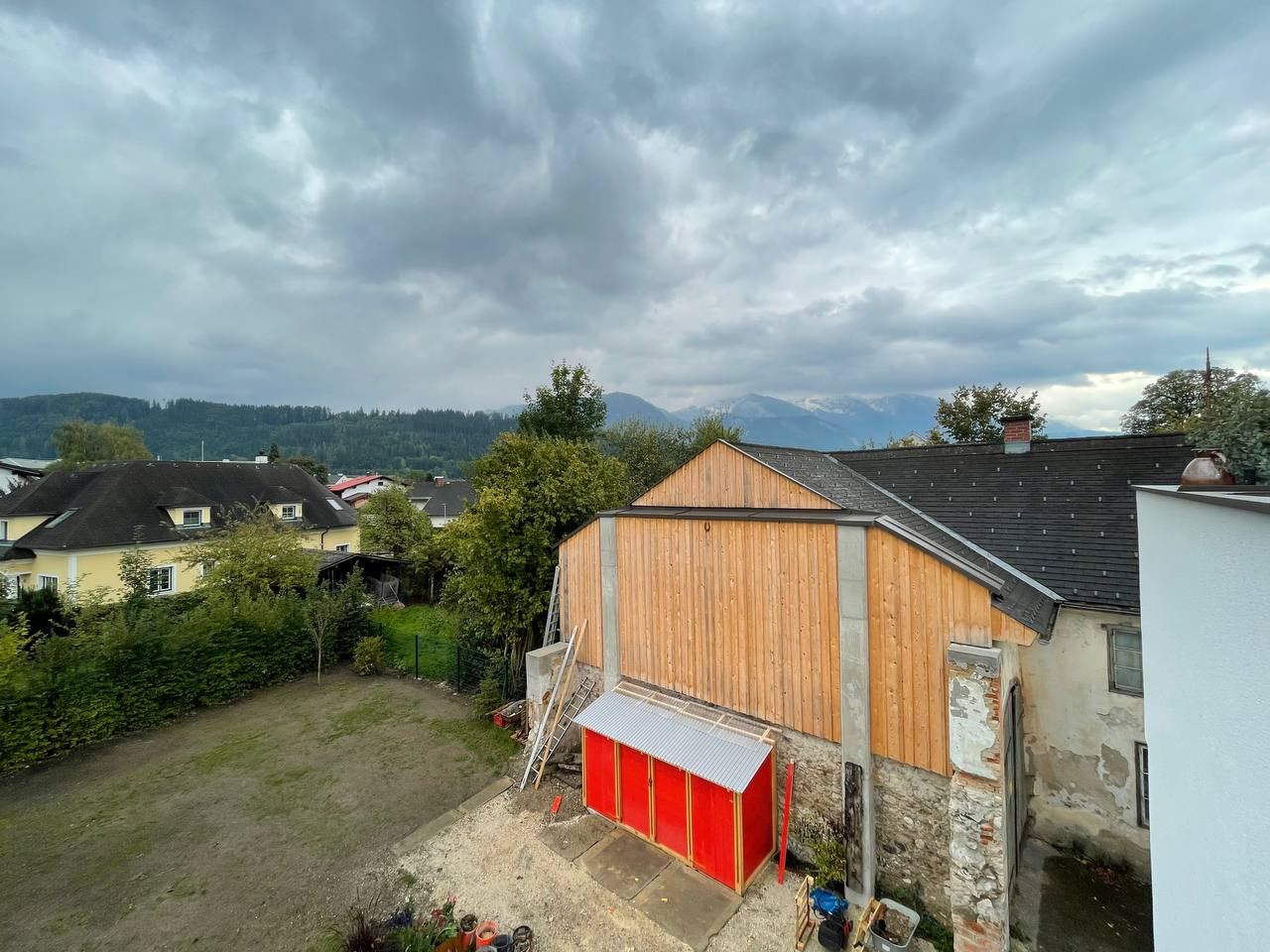
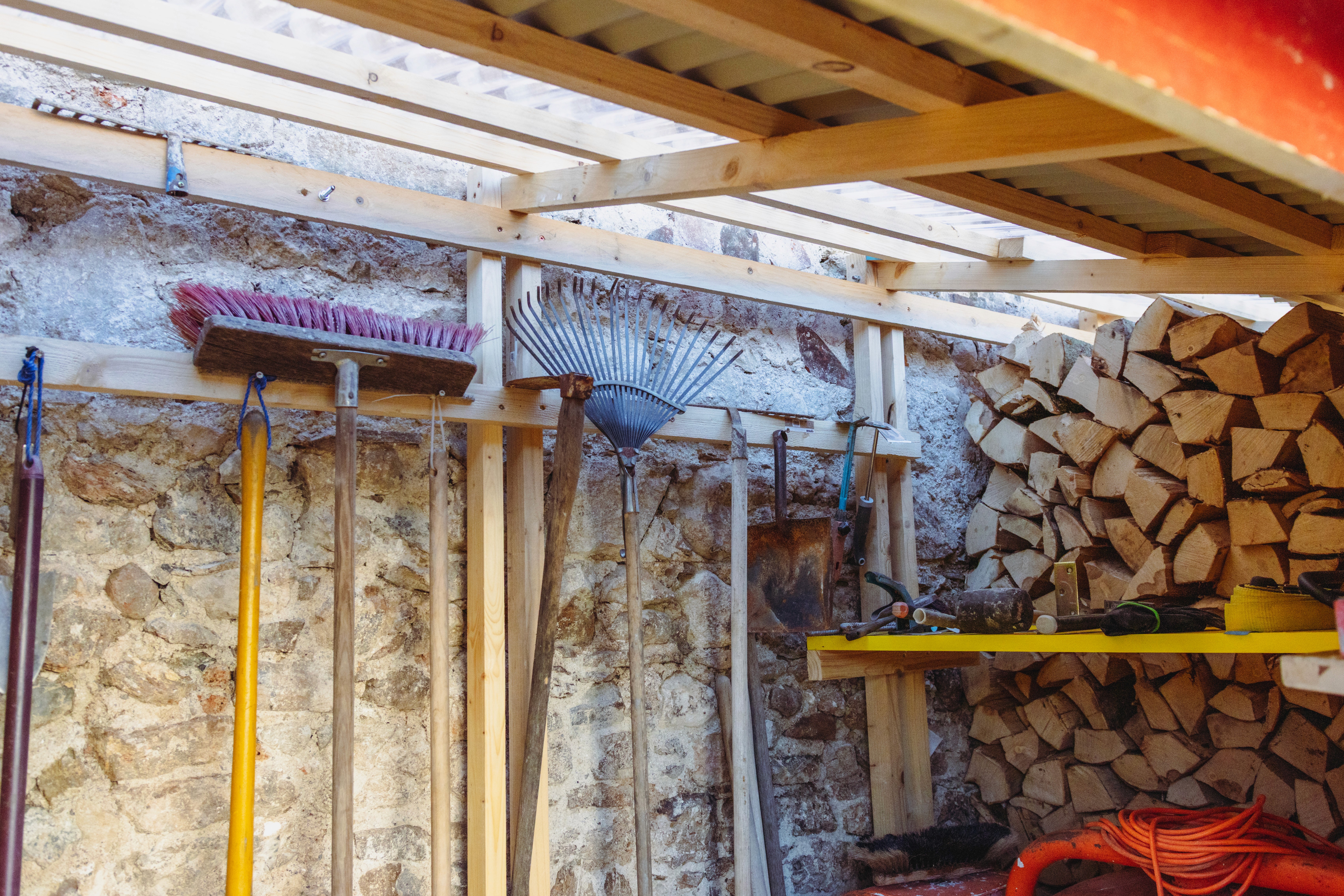
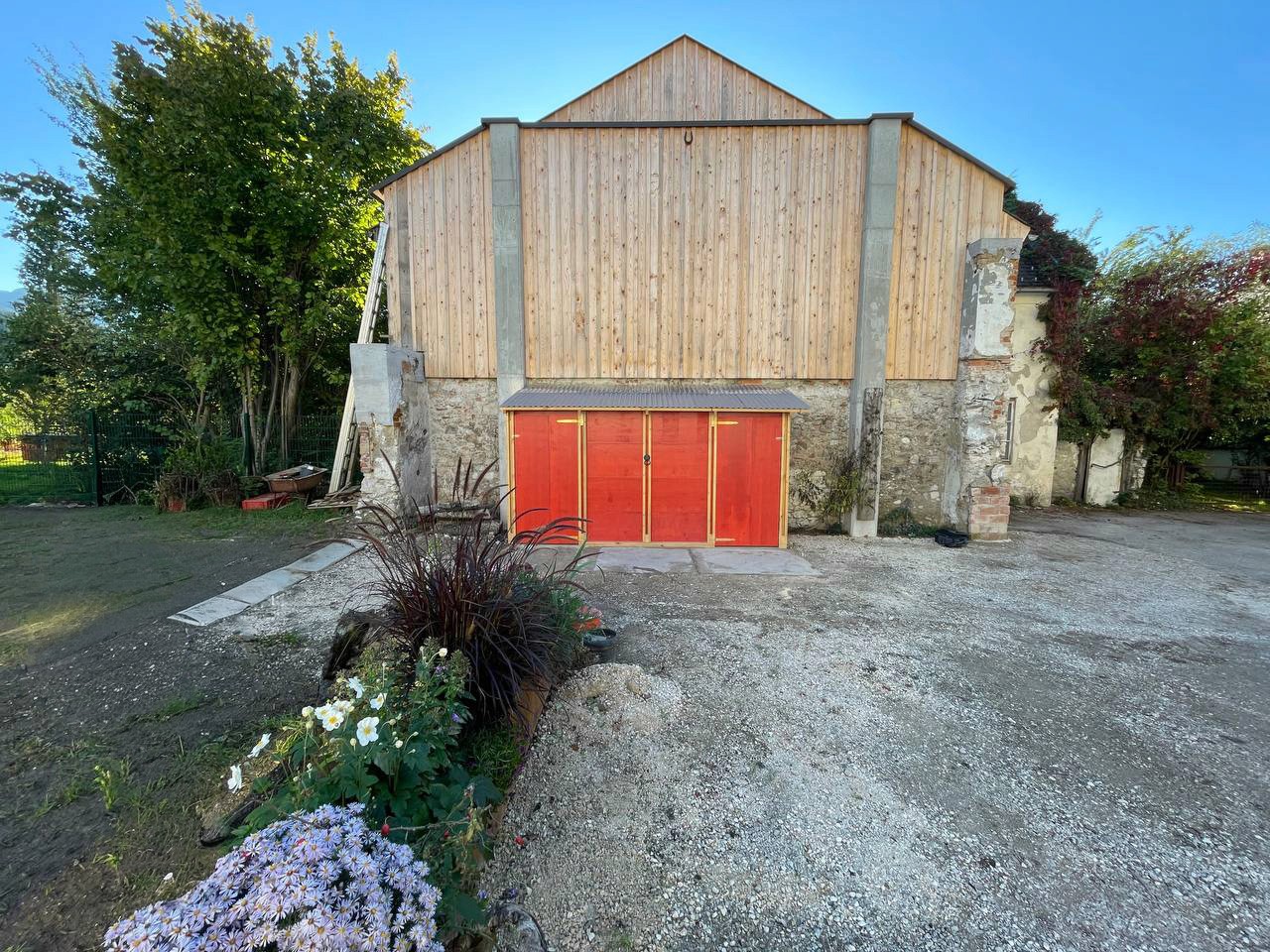
The Holzhütte (wood shed) stands in the backyard of a residential building in Windischgarsten, a small town in rural Austria. It sits on the site of the former rear building, an extension to the main house that had to be demolished due to massive structural damage. This building had not been used for years, except for a small part. Only two rooms on the ground floor were used for storing garden and building materials, tools, and especially firewood. After the demolition, an alternative storage space had to be created.
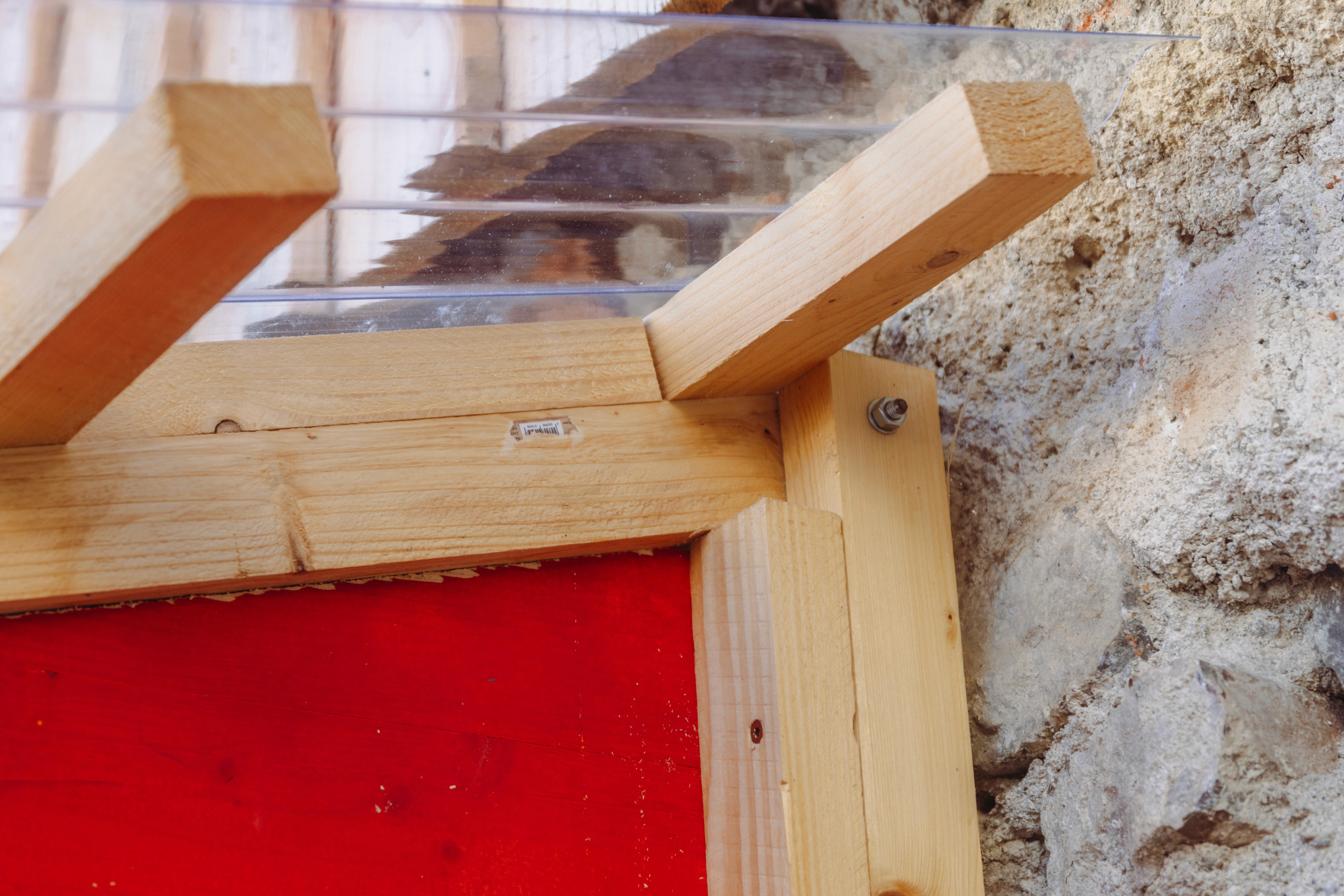
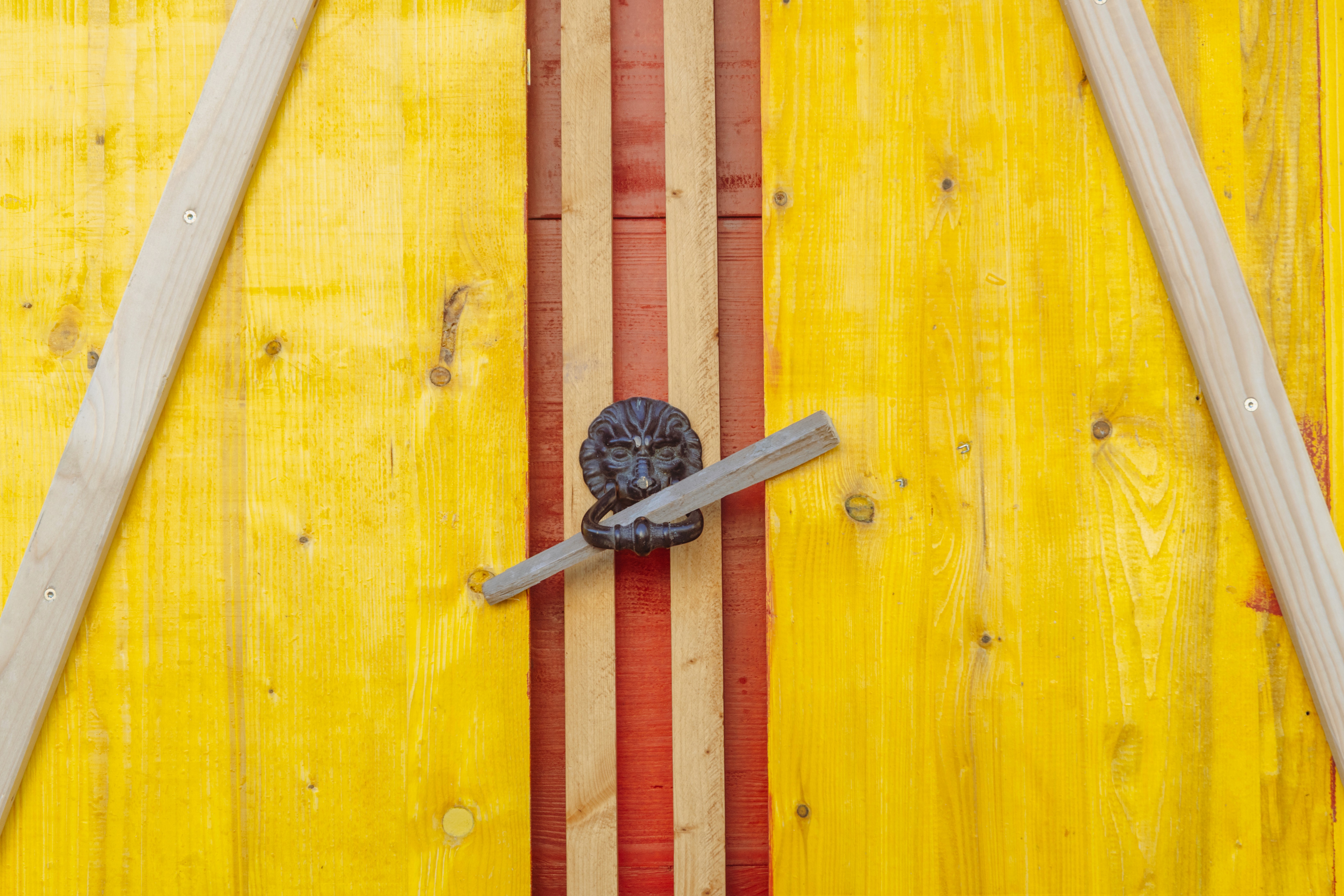
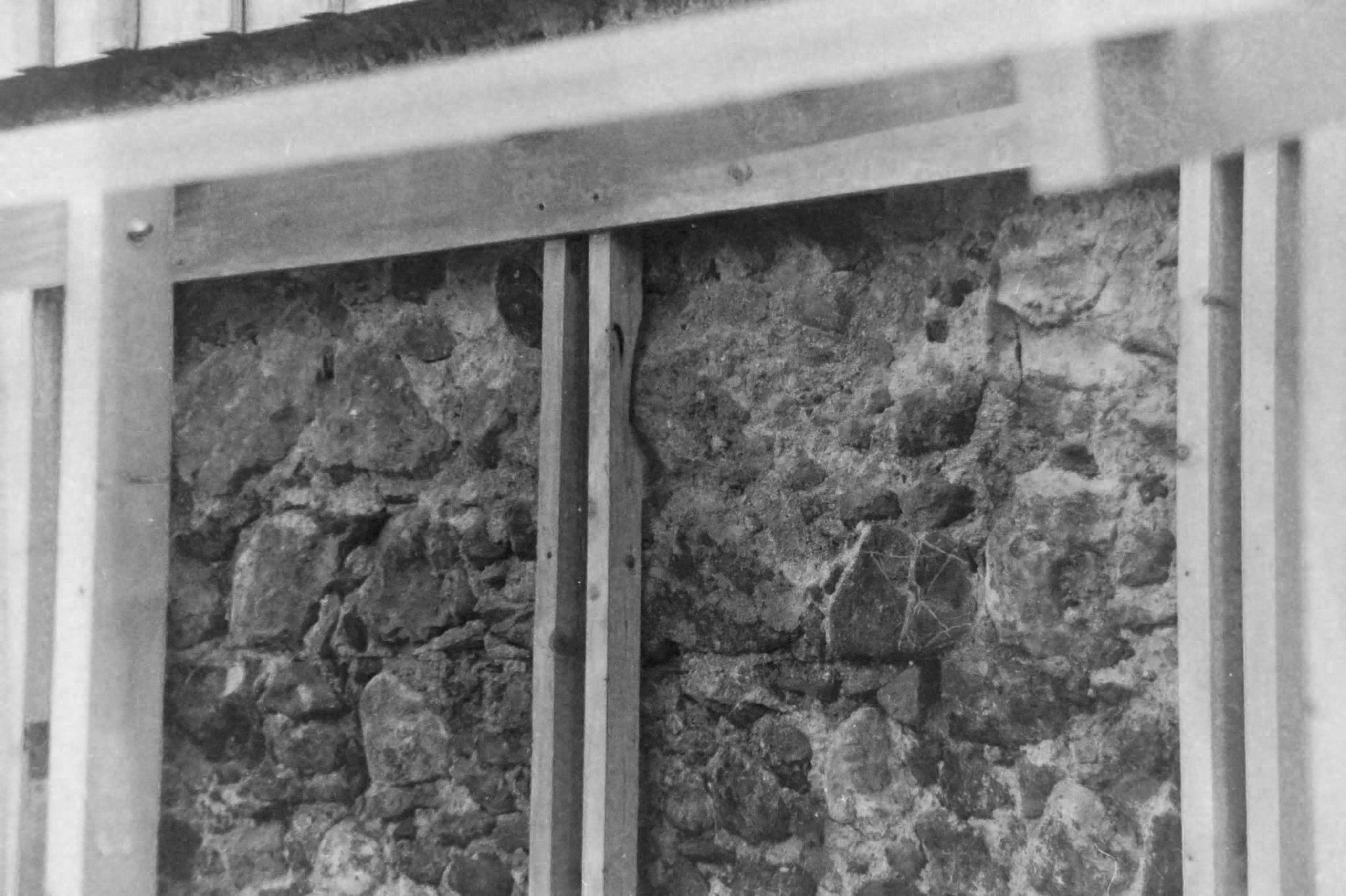
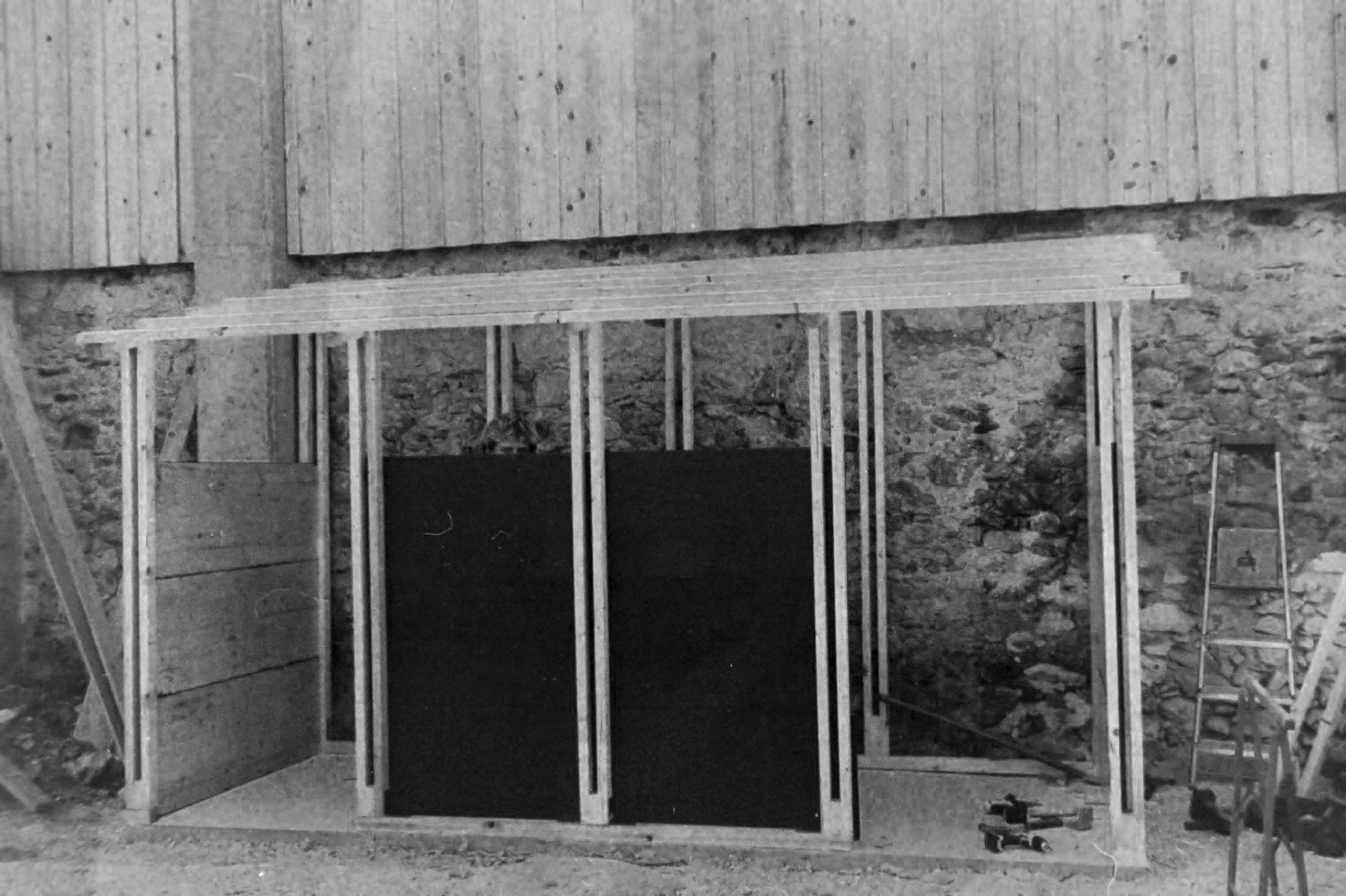
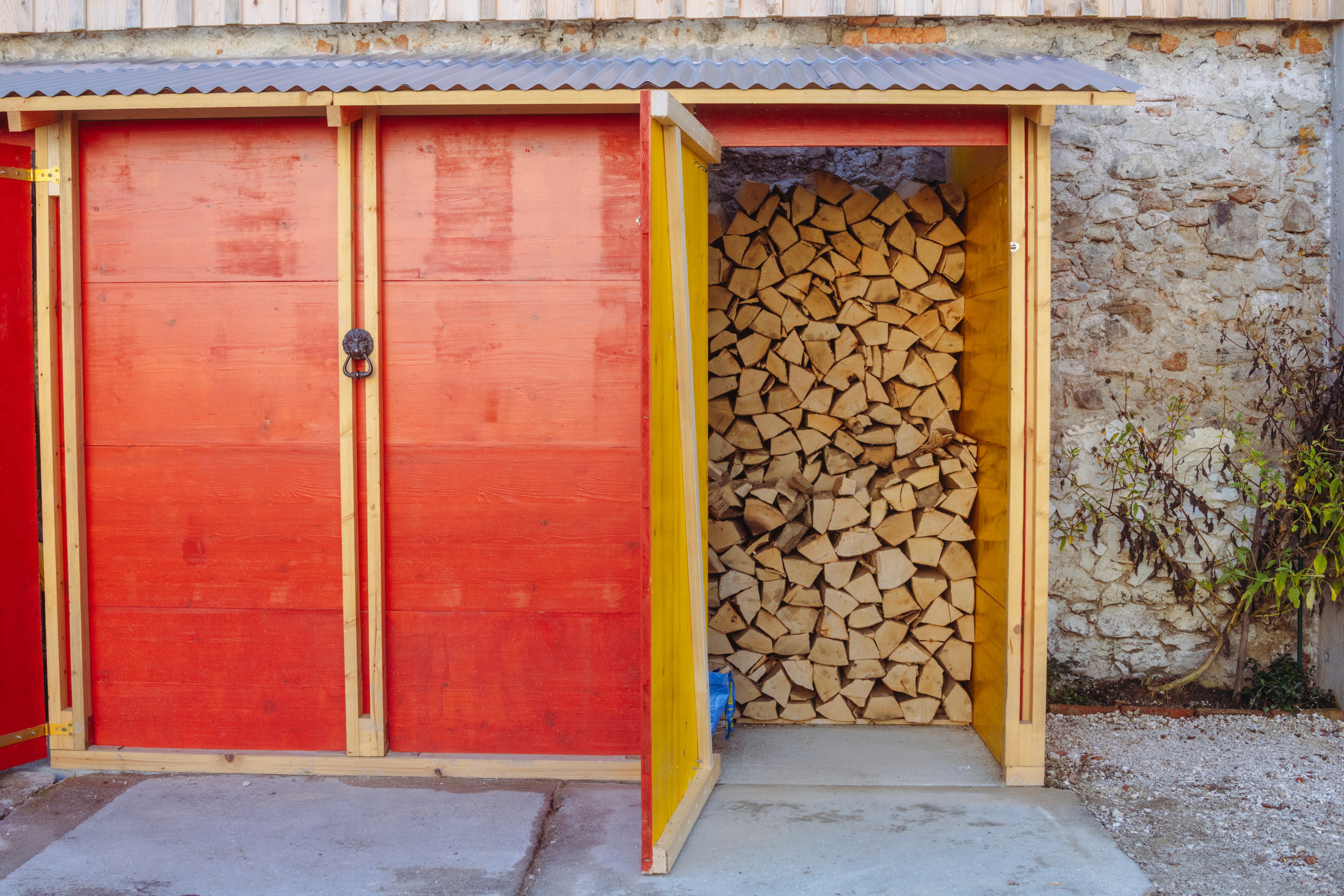
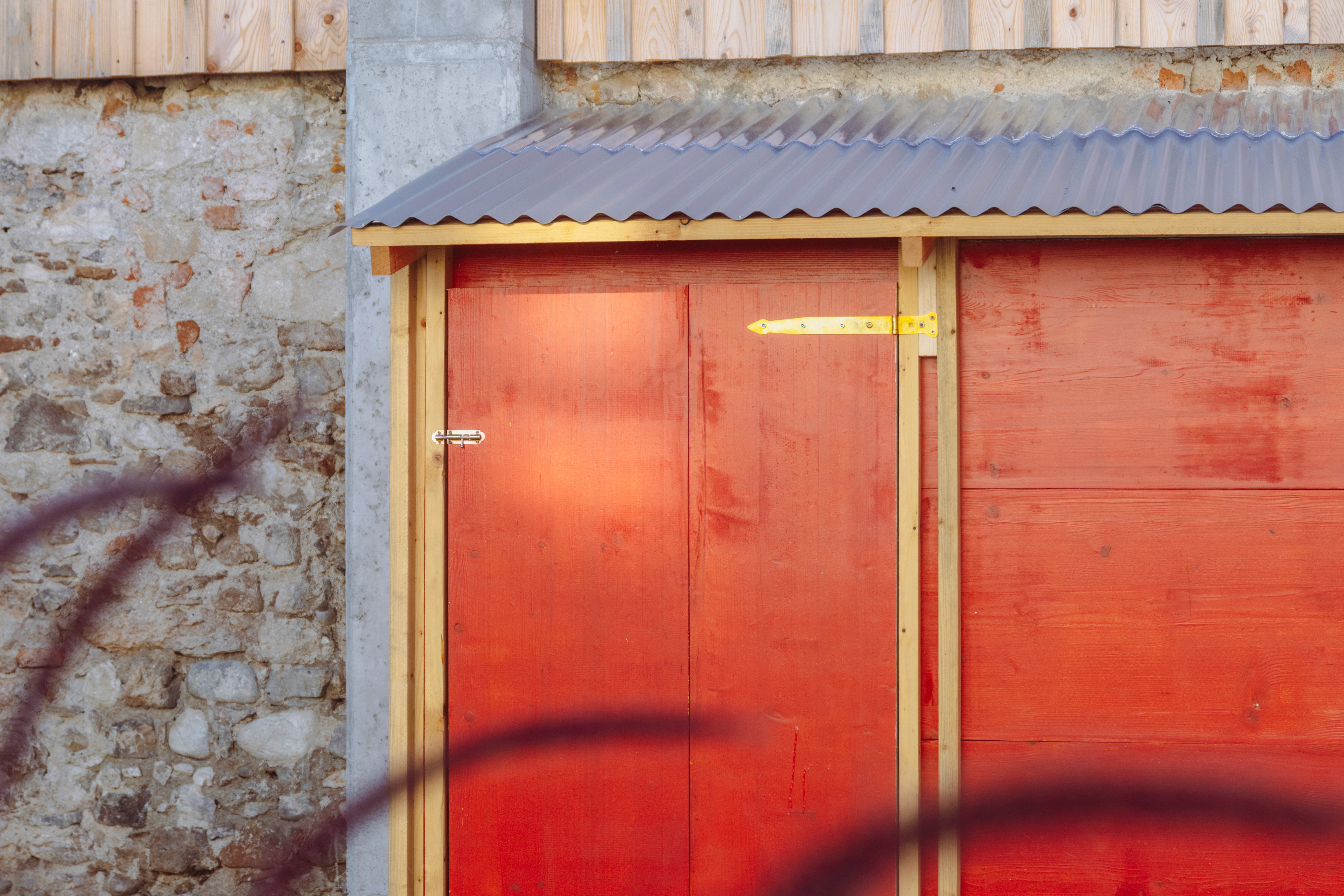
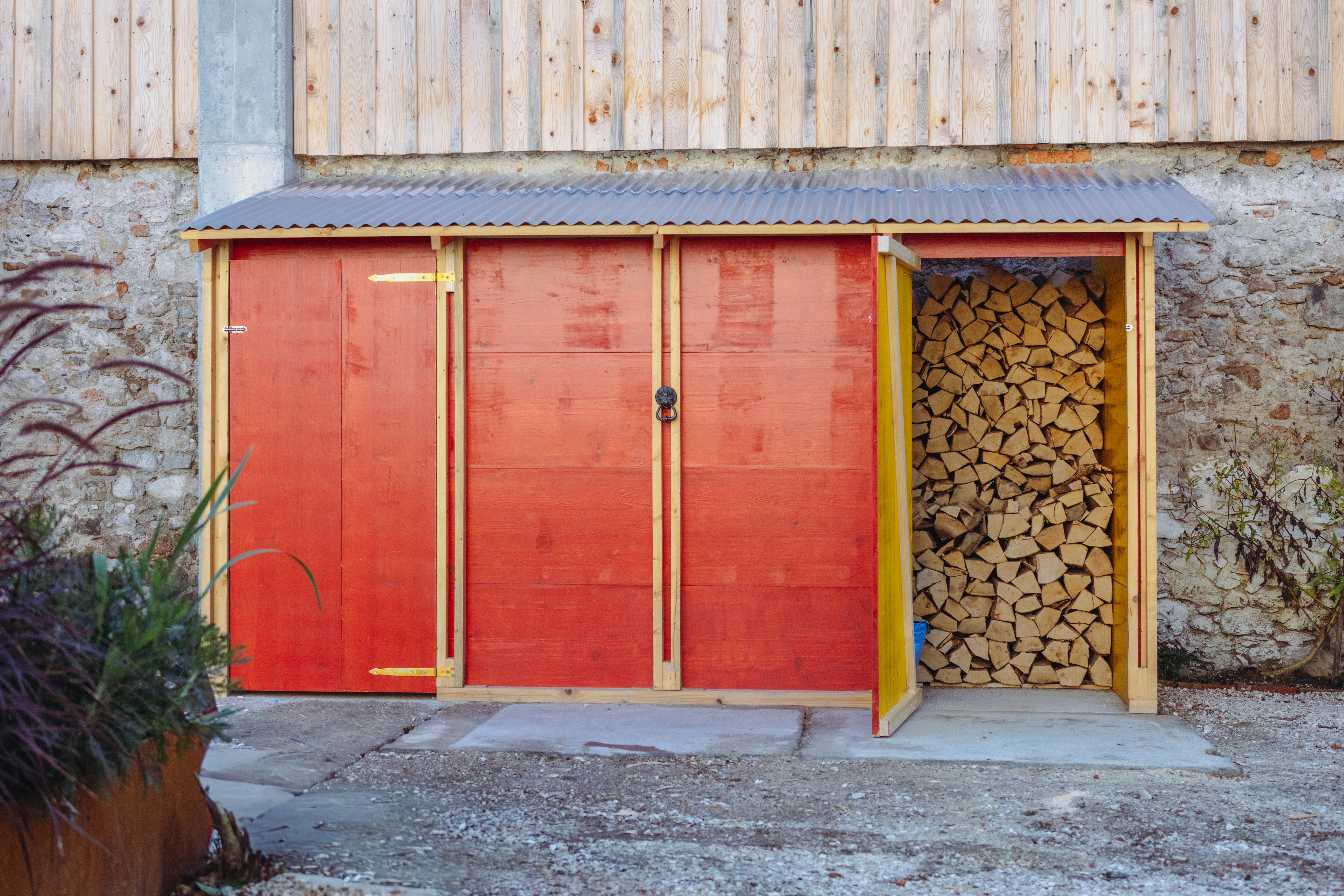
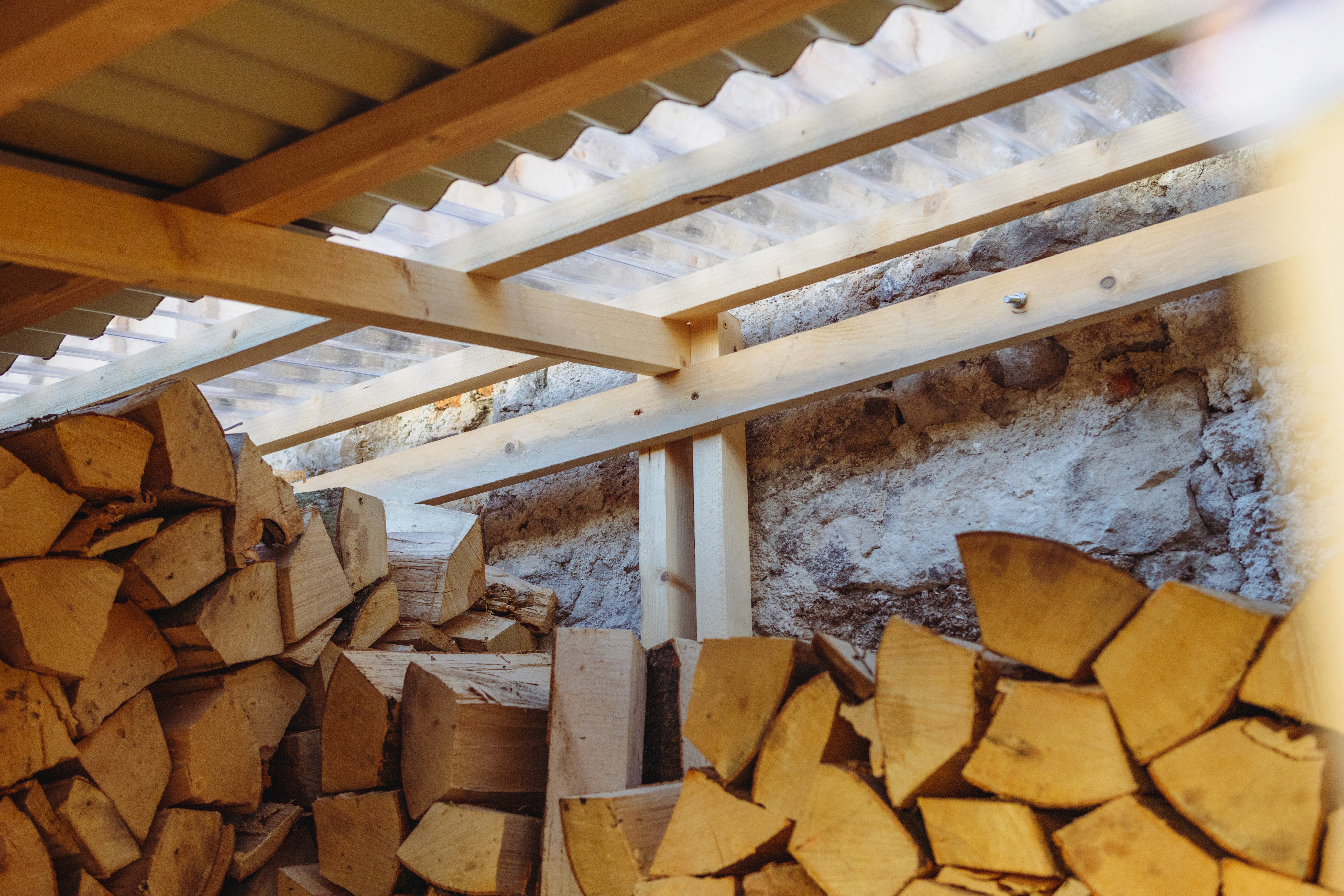
The wooden shed is positioned against the parting wall to the neighboring building, which was exposed by the demolition, the lower part consists of natural stone masonry from the 18th century. The structure is defined by a clear and visible frame construction, the dark red cladding provides a welcome accent of color in the backyard. To avoid the need for lamps and the associated electrical installation, part of the corrugated roof is made of polycarbonate. These panels also illuminate the party wall, which was left visible. Formwork panels were used as cladding, partly for cost reasons, but also to ensure stability and longevity. In front of the shed, granite stone slabs were set into the ground, salvaged from the stairs of the demolished old building.
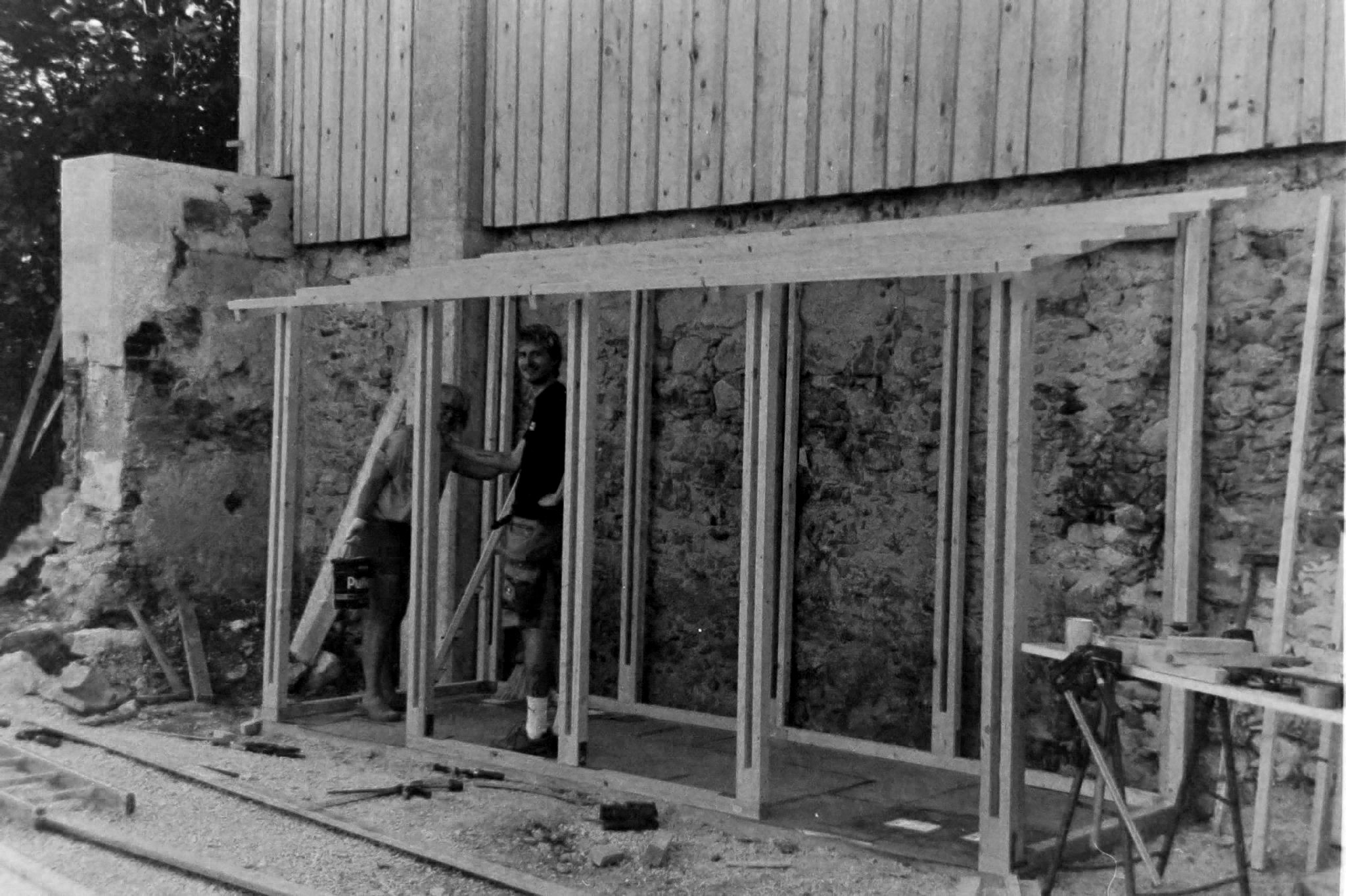
As my first realized project, I built the wooden shed in the summer of 2025 in the courtyard of my parents' house. After a two-week planning phase, in which my father acted as the client, I invited friends for a week to realize the project as part of a "summer school." One goal was to keep costs as low as possible and thereby be cheaper than a prefabricated garden shed, which was my parents' original plan. By using squared timber from the hardware store and formwork panels as cladding, this goal was achieved. Designing a structure that I would then build myself was a new experience for me and differed fundamentally from the theoretical designs at university. The collaborative planning and communication with a client was also a valuable experience.